 Reviews



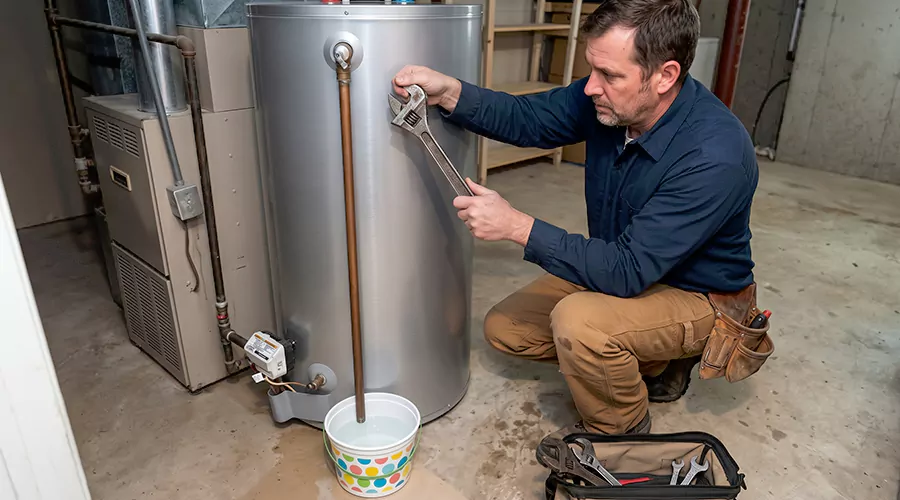
An overflow pipe usually leaks because a connected tank or cistern is overfilling. A faulty fill valve or incorrectly adjusted float is a common cause. However, a pipe connected to a boiler or pressurized hot-water cylinder serves a different purpose and requires different safety precautions. The first step is identifying which appliance or plumbing system the pipe serves.
This article focuses on overflow pipes commonly found in homes with toilet cisterns or cold-water storage tanks. It also explains how to recognize a safety-valve discharge pipe, which must not be treated like an ordinary gravity overflow.
What Is an Overflow Pipe?
An overflow pipe carries excess water away from a tank or another plumbing component. It can prevent water from spilling into the building when a tank continues filling after reaching its normal operating level. In some homes, an overflow pipe terminates outside the property. Other plumbing systems use internal overflow arrangements.
Common sources include:
- Toilet cisterns.
- Cold-water storage tanks.
- Heating-system feed-and-expansion tanks.
- Certain hot-water storage arrangements.
- Other appliances with dedicated overflow systems.
A boiler pressure-relief discharge pipe is different from an ordinary gravity overflow. Screwfix identifies toilet cisterns and loft storage tanks among the common sources of external overflow leaks.
Why Does an Overflow Pipe Start Leaking?
An ordinary gravity overflow begins carrying water when the connected tank's water level rises too high. A correctly working fill valve should stop incoming water before the level reaches the overflow opening. When the valve fails or the float is incorrectly positioned, the water level may continue rising.
Common causes include:
- Incorrect float adjustment: The fill valve closes later than intended.
- Sticking float: The float cannot move through its normal range.
- Waterlogged float: A damaged float no longer rises correctly.
- Worn fill-valve washer: Water continues passing through the valve.
- Damaged fill valve: Internal deterioration prevents complete shutoff.
- Mineral buildup: Deposits interfere with valve movement.
- Excessive incoming pressure: Water passes through a valve that is not operating correctly.
- Heating-system problem: A separate expansion or pressure-control issue causes discharge.
The final cause depends on the appliance connected to the pipe.
How Can You Identify Which Overflow Pipe Is Leaking?
The pipe's position provides useful clues, but location alone cannot identify the connected system with certainty. An external pipe near a bathroom may serve a toilet cistern. A higher pipe may be connected to a loft storage tank. However, plumbing layouts vary between properties.
| Visible Pipe or Symptom | Possible Source | Important Distinction |
|---|---|---|
| Small pipe near bathroom | Toilet cistern | Check the cistern level |
| High external overflow | Loft storage tank | Confirm the connected tank |
| Discharge near boiler | Pressure-relief system | May involve hot water |
| Discharge from hot-water cylinder | Safety-valve system | Requires appropriate safety checks |
| Continuous clean water | Overfilling tank | Possible fill-valve problem |
| Intermittent hot discharge | Pressure or temperature problem | Treat as a safety concern |
Screwfix recommends identifying the appliance before selecting a repair. Do not assume that every external pipe carries harmless cold water.
Why Does a Toilet Overflow Pipe Leak?
A toilet cistern overflow carries excess water away when its normal fill-control system fails or the water level is set incorrectly. A conventional toilet cistern has a float-operated fill valve. The float rises as the tank fills and causes the valve to stop supplying water. If the float cannot rise correctly, the water may reach the overflow opening.
Possible symptoms include:
- Water continuing to enter the cistern after it should have stopped.
- The water level remaining unusually high.
- The float catching against another component.
- Water flowing directly into the overflow.
- Continuous external dripping from the connected pipe.
Some modern toilets route overflow water into the toilet bowl instead of using an external pipe. Therefore, a running toilet may have an internal overflow even when no external discharge is visible.
How Can You Check the Toilet Cistern?
An accessible toilet cistern provides a useful diagnostic opportunity. Begin by determining whether its water level is above the normal fill mark.
Follow these steps:
- Locate the toilet connected to the suspected overflow.
- Remove the cistern lid carefully when its design allows access.
- Observe the existing water level.
- Check whether water is entering the overflow.
- Identify the fill valve and float.
- Look for an obvious obstruction affecting the float.
- Avoid forcing or dismantling unfamiliar components.
- Record whether the fill valve stops incoming water normally.
A float that remains stuck may simply be unable to move through its full operating range. However, a damaged valve may continue allowing water through even when the float reaches its normal position.
Why Does a Loft Storage Tank Overflow?
A loft storage tank may overflow when its float-operated inlet valve fails to stop incoming water. This problem resembles a conventional toilet-cistern overflow, although the tank is larger and access can be more difficult.
A high external pipe may be a clue, but the connection should be confirmed before inspection.
Possible causes include:
- Incorrect float adjustment.
- A damaged float.
- A worn inlet-valve washer.
- Mineral buildup affecting valve operation.
- A deteriorated fill-valve assembly.
Do not climb into an unsafe loft or walk on unsupported ceiling surfaces. A tank that is difficult to access should not be treated as an ordinary DIY repair.
Can a Boiler Overflow Pipe Leak?
A boiler discharge pipe may carry water from a pressure-relief system rather than a gravity overflow. This distinction is important because the discharge may indicate excessive pressure or another operating problem. A heating-system expansion vessel is designed to accommodate changes in water volume during operation. When the pressure-control system is not working correctly, the relief valve may release water.
Screwfix identifies expansion-vessel problems and excessive system pressure as possible causes of boiler discharge. Do not attempt to stop boiler discharge by blocking the pipe. Work involving gas appliances must comply with applicable local qualification and safety requirements.
Why Might a Hot-Water Cylinder Discharge Water?
A pressurized hot-water cylinder may have safety valves designed to release water when temperature or pressure becomes excessive. The discharge may pass through a visible tundish or another approved arrangement. This is not the same as cold water overflowing from an ordinary storage tank. A persistent or unusually hot discharge requires prompt attention.
Do not operate the relief valve or remove its discharge pipe during a basic homeowner inspection. The pipe should remain unobstructed while the underlying problem is investigated.
What Warning Signs Should You Look For?
An overflow leak often produces additional symptoms that can help identify its source.
Watch for these warning signs:
- Water drips continuously from an external pipe.
- The leak becomes worse after a toilet refills.
- Water remains unusually high inside a cistern.
- A float does not move normally.
- An inlet valve continues passing water.
- Dripping becomes more frequent.
- Water causes staining on an exterior wall.
- The discharge appears unusually hot.
- A boiler develops abnormal pressure readings.
- Water continues discharging despite earlier fill-valve adjustment.
Hot discharge from a heating appliance requires a different response from a conventional cistern overflow.
How Can You Distinguish an Overflow From a Pipe Leak?
An overflow pipe can be functioning correctly while another component is causing it to discharge. In contrast, a damaged pipe may leak through a crack or failed connection. Look for where the water appears. If water emerges from the pipe's designed outlet, investigate the connected system. If water escapes through the pipe wall or a joint, the pipe itself may be damaged.
Do not seal a designed overflow outlet to stop water. The correct repair addresses the underlying cause while preserving the overflow's intended function.
How Much Does Overflow Pipe Repair Cost?
Repair costs depend on the connected system. Replacing an accessible toilet fill-valve component is very different from repairing a boiler or pressurized hot-water cylinder. For the UK market, Screwfix provides the following broad estimates.
| Repair Category | UK Cost Reference |
|---|---|
| Basic replacement washers or valves | £5–£30 in parts |
| Standard plumbing labor | Approximately £50–£80 per hour |
| Emergency plumbing labor | Approximately £80–£100 per hour |
| Broad professional repair estimate | £55–£300 or more |
These are broad UK cost references rather than 2026 national averages for every overflow repair. The connected appliance and required work determine the actual cost. Pressurized heating-system repairs should be estimated separately.
When Should You Call a Professional?
Professional assistance becomes appropriate when the overflow belongs to a pressurized heating system or an inaccessible storage tank.
Seek help when:
- The discharge is unusually hot.
- A boiler's safety system is releasing water.
- A pressurized cylinder may be involved.
- The connected tank cannot be accessed safely.
- A fill valve continues passing water after appropriate adjustment.
- The source of the external pipe cannot be identified.
- Water is causing damage to the building.
A professional can identify the connected system and correct the failed component without disabling its safety features.
How Can You Prevent Overflow Problems?
Preventive maintenance depends on the connected plumbing system. Accessible conventional toilet cisterns benefit from occasional inspection. Storage tanks should be maintained according to their design and the applicable plumbing requirements.
Useful preventive steps include:
- Check accessible toilet fill valves periodically.
- Investigate a toilet that runs continuously.
- Address damaged floats or valves promptly.
- Monitor persistent external dripping.
- Follow heating-appliance maintenance schedules.
- Investigate unusual boiler pressure readings.
- Never block an overflow or safety discharge outlet.
A functioning overflow protects against another problem. Preventive maintenance should preserve that protection.
Conclusion
An overflow pipe leaking outside a property may indicate an overfilled toilet cistern or storage tank. A faulty float or fill valve is a common cause. However, a pipe connected to a boiler or pressurized cylinder requires different precautions. Identify the connected system before attempting repairs. Never block a designed overflow or safety discharge. This week, check accessible cisterns for unusually high water levels.
Frequently Asked Questions
Why is my overflow pipe dripping constantly?
A connected tank may be overfilling because its fill valve does not close correctly.
Does an external overflow pipe always come from a toilet?
No. It can be connected to a storage tank or another plumbing system.
Can I stop the leak by capping the pipe?
No. The pipe provides an intended outlet for excess water and must remain functional.
Why does my overflow pipe leak intermittently?
The connected system may fill or operate periodically. The timing can provide clues about the source.
Is hot water coming from an overflow pipe dangerous?
It may indicate a safety-valve or heating-system problem and requires prompt investigation.